Is your dog at a healthy weight? Learn how to assess your pet’s Body Condition Score (BCS), a simple way to tell if your dog is underweight, overweight, or just right. This guide explains the 9-point scale used by veterinarians, including practical tips to check your dog’s ribs, waistline, and belly at home. Discover how maintaining an ideal BCS supports joint, heart, and metabolic health. Powered by Petsona, Hong Kong’s first personalized pet nutrition brand using dehydration technology to create balanced, science-backed meals that preserve 90% of nutrients for optimal wellness.
A healthy body weight does more than improve your dog’s appearance, it directly impacts their lifespan, mobility, and disease risk.
Overweight dogs are more likely to develop:
Petsona’s veterinary nutrition experts emphasize that body condition should be monitored as closely as diet. Just like humans track BMI, dogs benefit from an easy-to-understand system known as the Body Condition Score (BCS), a standardized scale veterinarians use worldwide.
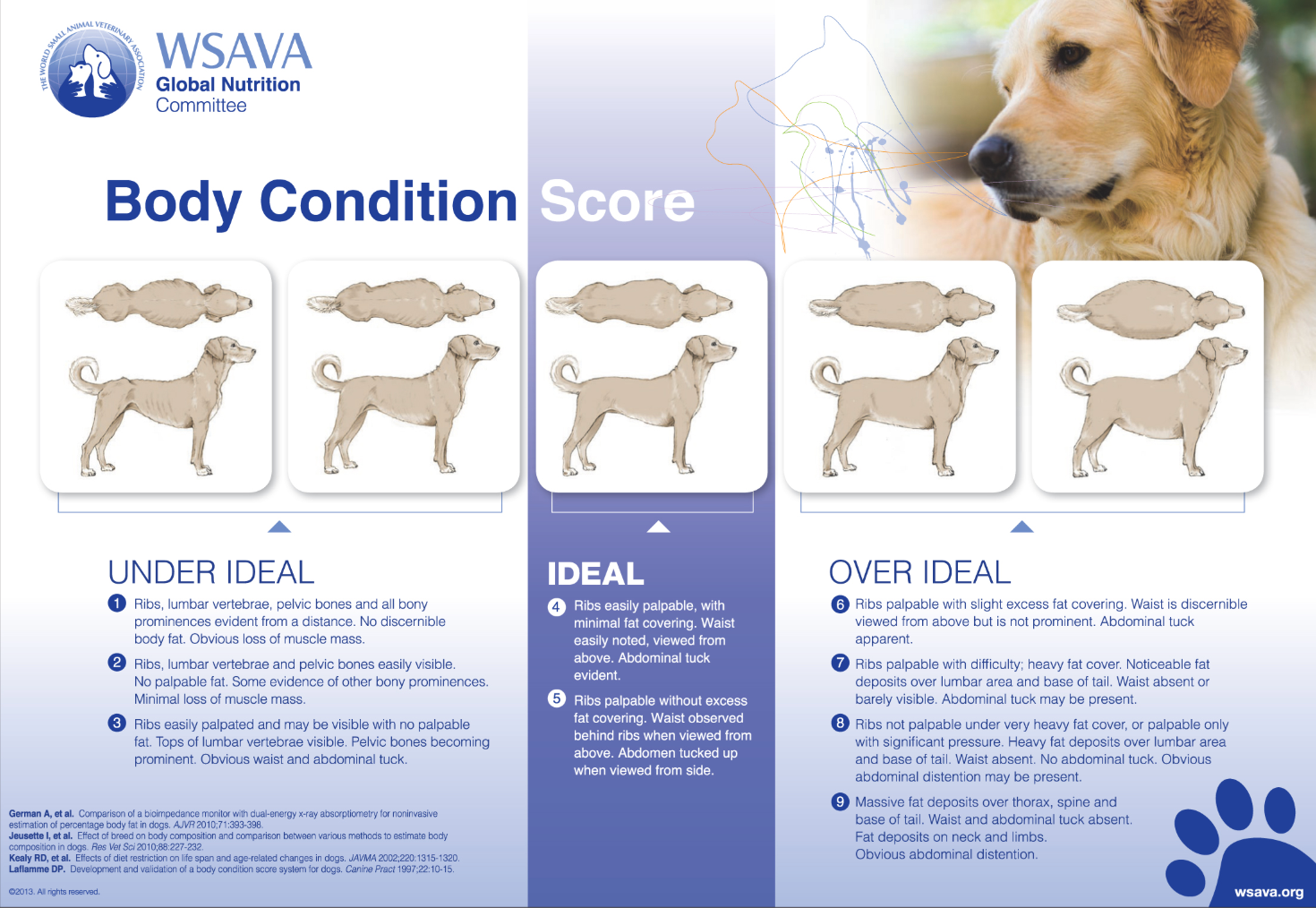
The Body Condition Score (BCS) measures your dog’s fat coverage in relation to their bones and muscles. It helps determine if your pet is underweight, ideal, or overweight.
Veterinarians commonly use two scales:
On the 9-point scale, 4–5 is ideal, representing a fit, healthy dog. For clarity, veterinarians typically write BCS as a fraction, e.g., 5/9, to indicate both the scale and score.
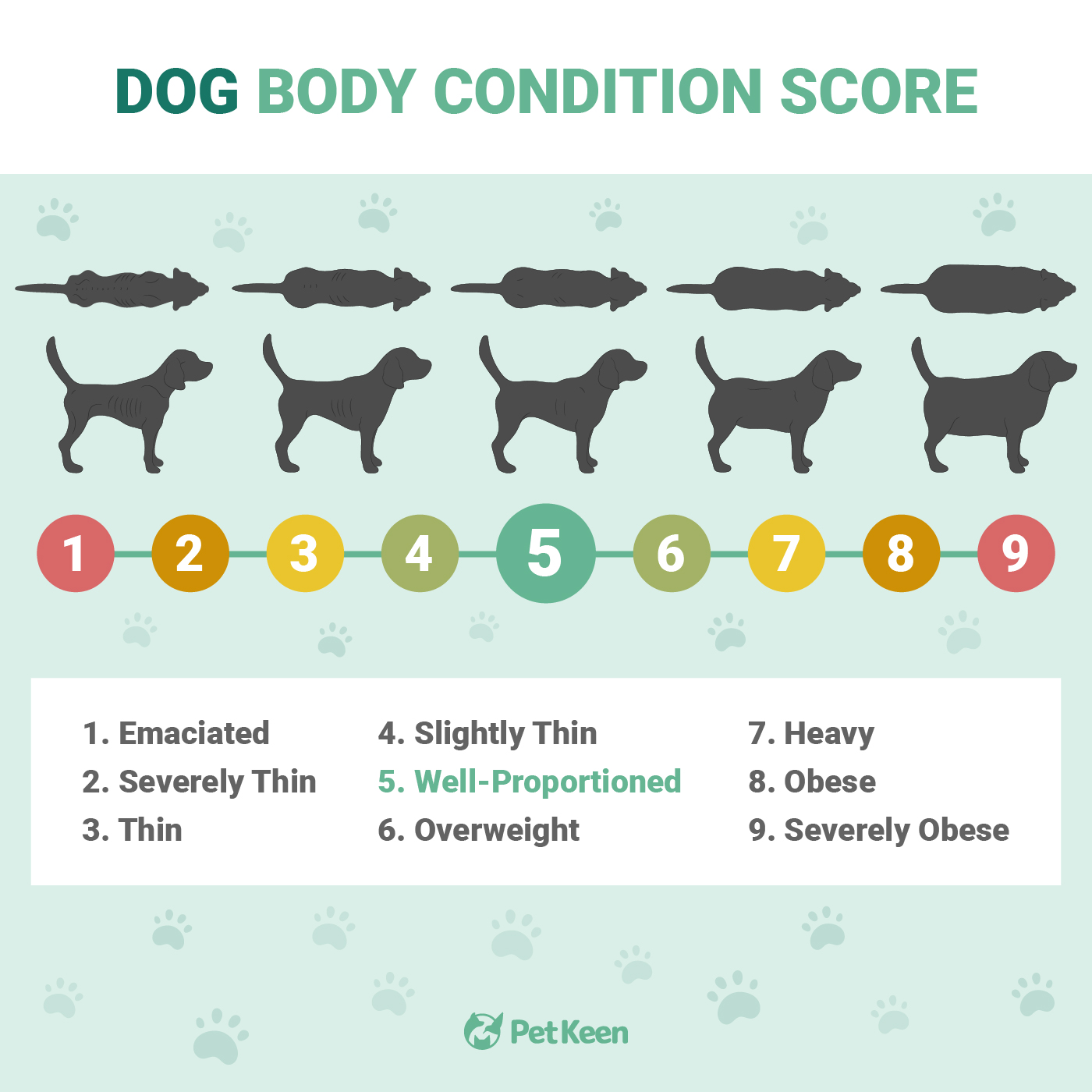
Assessing your dog’s BCS doesn’t require any special tools, just your eyes and hands. Follow this look-and-feel method used by veterinary professionals:
From above:
Your dog’s waist should curve inward behind the ribs, forming an hourglass shape.
From the side:
A healthy dog’s abdomen should tuck upward between the ribs and hind legs.
If the belly sags downward, it may indicate excess fat accumulation.
Using your hands is the most accurate way to assess your dog’s condition:
You can also feel the pelvic bones and spine, they should be noticeable but not sharp or buried under fat.
These visual cues, when combined with the rib test, provide a reliable estimate of your dog’s BCS.
Here’s a simplified reference table summarising what each score means on the 9-point scale:
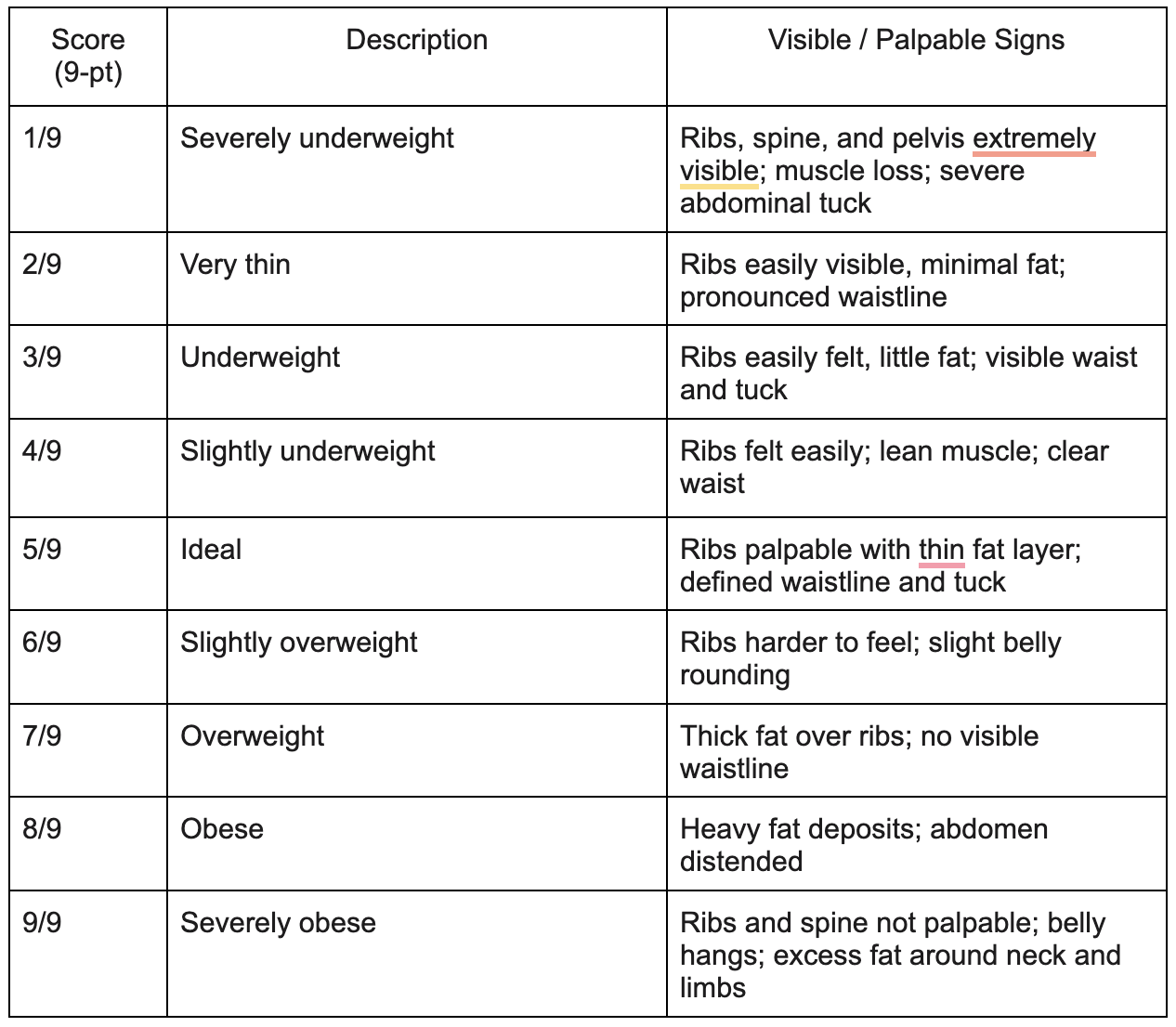
Maintaining a BCS of 4–5/9 promotes:
Veterinary insight: Every additional kilogram above ideal weight can stress your dog’s joints by up to 4x during movement, especially in small breeds or older dogs.

Your dog’s diet directly affects their fat storage, metabolism, and muscle tone.
High-calorie processed food or excessive treats can easily push a dog into the overweight category, while inadequate protein may lead to muscle loss in underweight dogs.
Balanced nutrition should provide:
At Petsona, we believe every dog deserves a diet that matches their unique metabolism, activity level, and health profile.
Our dehydrated personalised meals are formulated to:
By turning fresh whole ingredients into a digestible powdered form, Petsona ensures every serving delivers clean, complete nutrition, no fillers, no excess calories.

If your dog is on a weight management program, record both:
Repeat the assessment every 2–4 weeks. Note improvements in:
Tip: Pair consistent feeding with gentle daily walks and playtime to improve muscle tone and metabolism.
We’re redefining what “healthy feeding” means in Hong Kong.
Petsona’s personalised nutrition plans are scientifically formulated for dogs of all breeds, ages, and lifestyles, from picky Poodles to energetic Corgis to senior Golden Retrievers.
Every Petsona meal is designed to do more than satisfy hunger. It strengthens the body from within, supports gut and metabolic health, and helps maintain a perfect body condition, so your dog lives longer, healthier, and happier.

A healthy dog is an active, comfortable, and confident one.
By regularly checking your dog’s Body Condition Score, adjusting their diet, and choosing high-quality, balanced meals like Petsona, you’re giving them the best chance at a longer, happier life.
*Try this at home: Use your hands to feel your dog’s ribs, look for that waistline curve, and rate your furry friend’s score, then take steps to keep it at the ideal 4–5/9 range.
Q1: How often should I check my dog’s BCS?
Every 1–2 months, or during routine grooming. Weight can fluctuate quickly, especially after diet changes.
Q2: My dog feels fine, do I still need to track BCS?
Yes. Many overweight dogs appear “normal” to owners. The BCS test provides an objective way to assess the real condition.
Q3: Can treats affect BCS?
Absolutely. Treats should not exceed 10% of daily calorie intake.
Q4: How does Petsona help manage BCS?Petsona’s personalised meals ensure precise nutrition, high in digestible protein, balanced in calories, and low in unnecessary fillers, making weight management effortless and delicious.