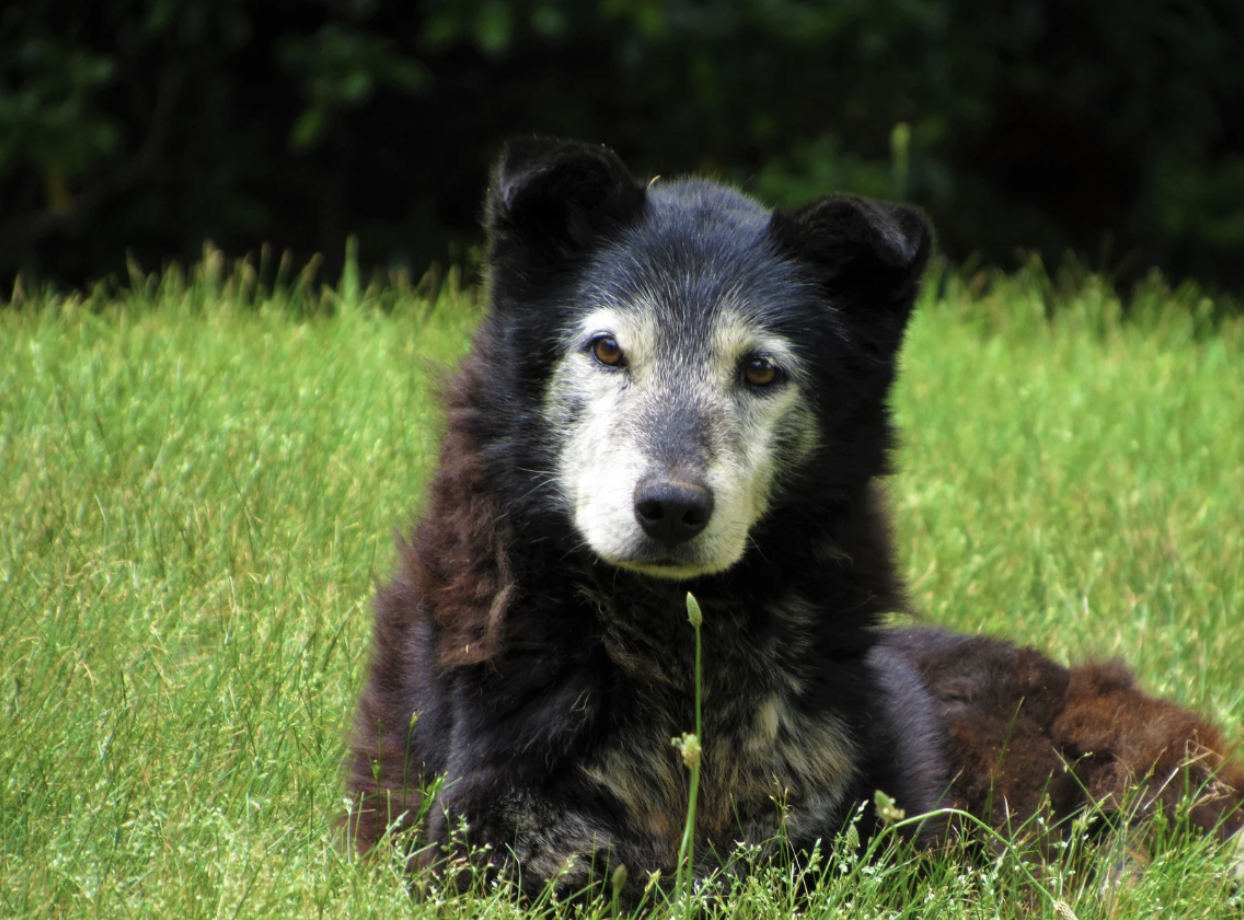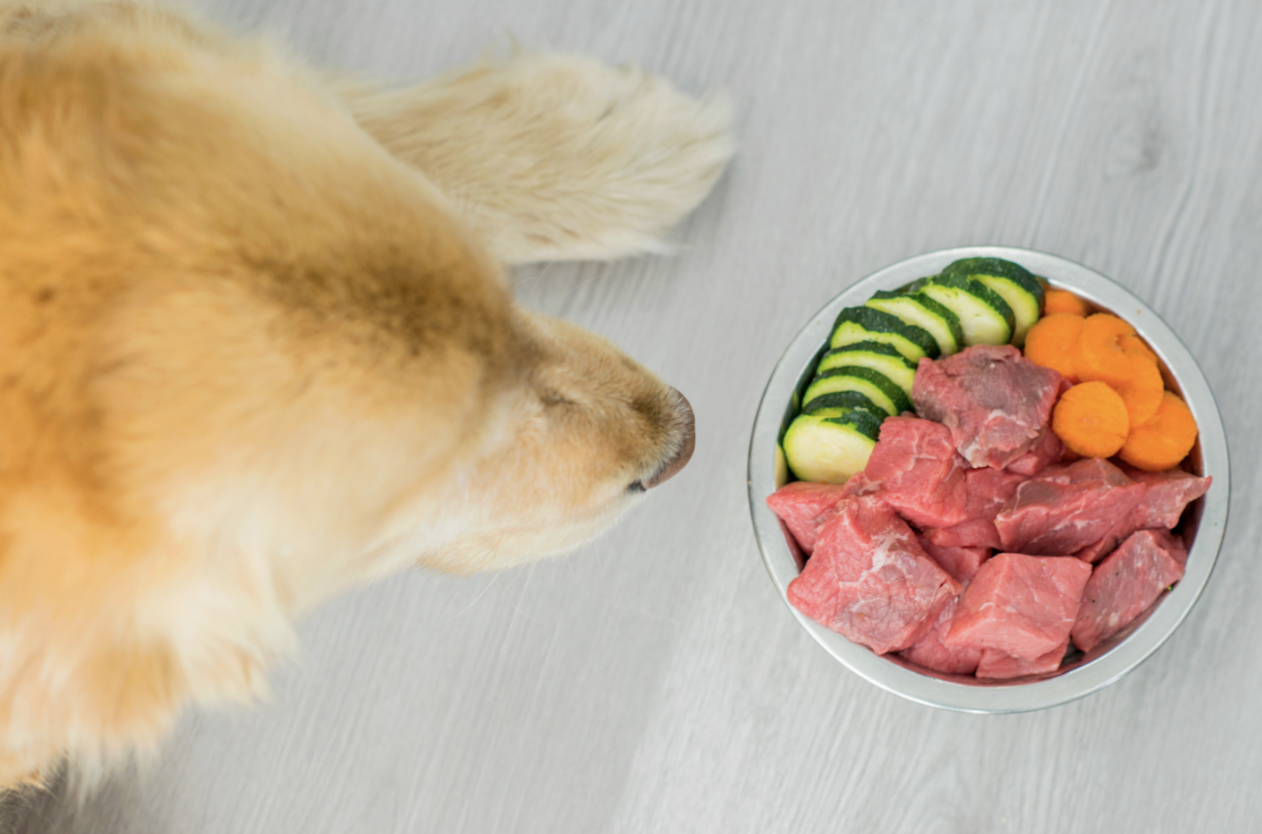
Beef is one of the most complete sources of high-quality protein for dogs, packed with essential amino acids, iron, and B vitamins that support muscle growth, red blood cell formation, and overall vitality. Written by Petsona’s veterinary nutrition experts, this guide explores the nutritional value of beef, compares different cuts and other meats, and shares safe feeding tips for Hong Kong pet parents seeking a healthier, more personalized diet for their dogs.
Beef provides high biological-value protein and a complete amino acid profile, making it one of the most beneficial animal proteins in canine diets. Compared with other meats, beef offers higher iron content and moderate fat levels that help maintain energy and support red blood cell production.
Petsona, Hong Kong’s first pet nutrition brand to apply dehydration technology, turns fresh beef into highly digestible powder that retains up to 90% of its nutrients. Certified by both AAFCO (US) and FEDIAF (EU) standards, it ensures your dog gets premium daily nutrition.

Beef is more than just a protein source, it’s packed with trace minerals and vitamins that play essential roles in your dog’s overall well-being.
High Protein and Complete Amino Acid Profile
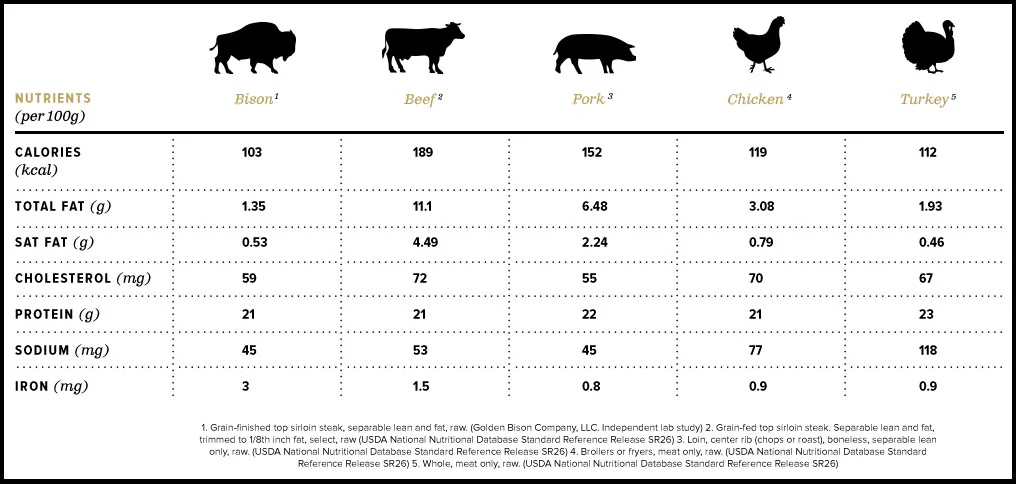
Beef contains around 20–24% protein per 100g, rich in essential amino acids that dogs cannot synthesize on their own. These support muscle repair, immune function, and growth.
alt text: Illustration showing how beef protein supports muscle development in dogs.
Rich in Iron and Vitamin B Complex
Iron is vital for red blood cell production, while Vitamin B12 aids in energy conversion and nerve health, crucial for active and energetic dogs.
alt text: Diagram highlighting iron and vitamin B benefits for canine blood health.
Zinc and Selenium for Immune Protection
Zinc and selenium strengthen skin barriers and boost immunity, reducing inflammation and oxidative stress for long-term health maintenance.
Nutritional Aspect - Beef - Chicken - Pork
Protein Content - 20–24% - 23–25% - 21–22%
Fat Content - Moderate (10–12%) - Low (5–7%) - High (15–18%)
Iron Level - High - Medium -Low
Vitamin B Complex - Rich in B12 - Contains B3, B6 - Contains B1, B3
Digestibility - ~90% - ~95% - ~85%
Best For - Active or athletic dogs - Sensitive stomachs - Underweight dogs
Taste - Rich aroma, highly palatable - Mild and neutral - Strong meat flavor
High protein content helps maintain lean muscle mass, especially for active dogs like Border Collies and Labradors.
Iron and Vitamin B12 enhance red blood cell formation and oxygen transport, helping your dog stay energetic and alert.
For dogs allergic to chicken or fish, beef offers a hypoallergenic alternative that minimizes skin irritations and digestive issues.
Raw beef may carry bacteria or parasites like Salmonella or Toxoplasma gondii. Always cook or use dehydrated beef to ensure safety.
Fatty cuts (like brisket or ribs) are high in calories and can increase the risk of obesity or pancreatitis. Opt for lean cuts such as tenderloin or round steak.
Processed meats like beef jerky or meatballs contain excessive salt and preservatives, which can burden the kidneys and raise sodium levels.

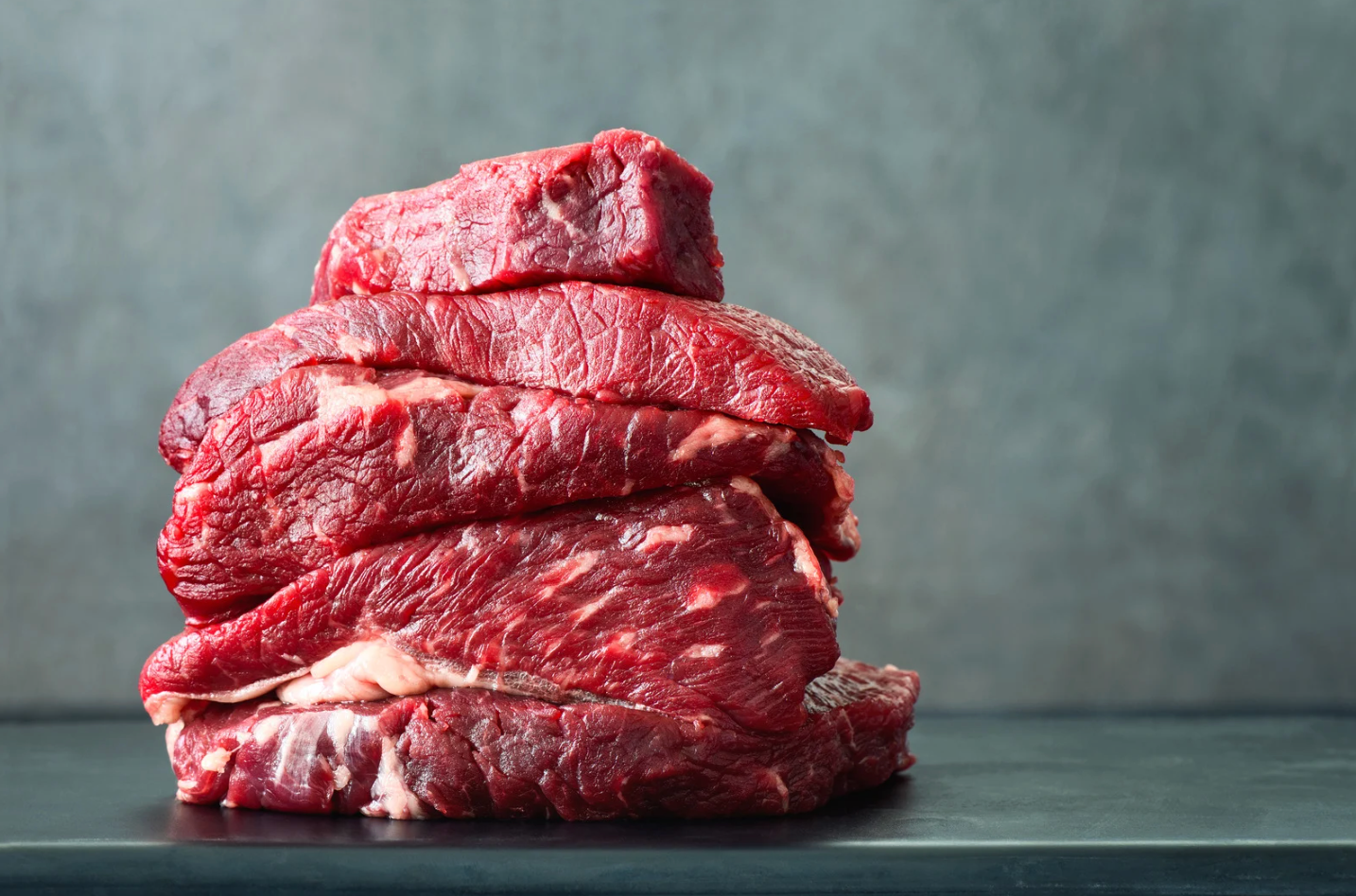
Beef is a nutrient-dense, high-quality protein that supports your dog’s muscles, immunity, and vitality.
At Petsona, we use low-temperature dehydration technology to retain up to 90% of beef’s natural nutrients, ensuring every bite meets AAFCO and FEDIAF standards.
Give your dog the gift of personalized, science-backed nutrition, because every dog deserves a healthy, happy life.

This article explores the role of beef protein in canine nutrition, comparing its nutritional value with chicken and pork, outlining key benefits and potential risks, and providing safe feeding guidelines. Petsona’s science-based dehydration process preserves beef’s nutrient integrity, offering Hong Kong pet parents a premium, personalized meal solution designed for optimal health and longevity.
H2: FAQ
Q1: Can puppies eat beef?
Yes. Cooked, lean beef can be safely introduced to puppies. Start with small portions to monitor for allergies, and always balance with other essential nutrients for growth.
Q2: Can dogs be allergic to beef?
Some dogs may develop sensitivities to beef protein. If you notice itching, rashes, or digestive discomfort, discontinue feeding and consult your veterinarian for dietary guidance.